building strong foundations: how mary’s place is supporting young children experiencing homelessness
The earliest years of a child’s life lay the foundation for everything that follows—but for hundreds of thousands of young children experiencing homelessness, that foundation is shaped by instability, stress, and limited access to critical supports. A recent article in Beyond Housing Magazine delves into what can happen when young children experiencing homelessness lack access to early childhood education, and what Mary’s Place is doing to serve children during those critical developmental years.
The impacts begin even before birth, with pregnant individuals experiencing homelessness facing big barriers to prenatal care and experiencing higher rates of premature delivery. Infants experiencing homelessness are more likely to suffer from respiratory infections, fevers, and allergies, and these health disparities can persist for years.
The impacts continue into early childhood through increased illness, developmental delays, and emotional challenges—as children grow, the challenges compound. Nearly 50% of children under age four experiencing homelessness show developmental delays, compared to just 12–16% of their housed peers. They are sick four times more often and are three times more likely to experience anxiety, depression, and behavioral health challenges. Frequent moves—often three or more by age five—disrupt relationships and stability, contributing to what researchers call “toxic stress,” a prolonged activation of the body’s stress response that can disrupt brain development during its most critical period.
We know that high-quality early childhood education can help mitigate many of these effects—but too often, families can’t access it. Barriers like missing documentation, transportation challenges, and long waitlists stand in the way. That’s why bringing services directly to families is so critical—and it’s where Mary's Place is making a meaningful difference.
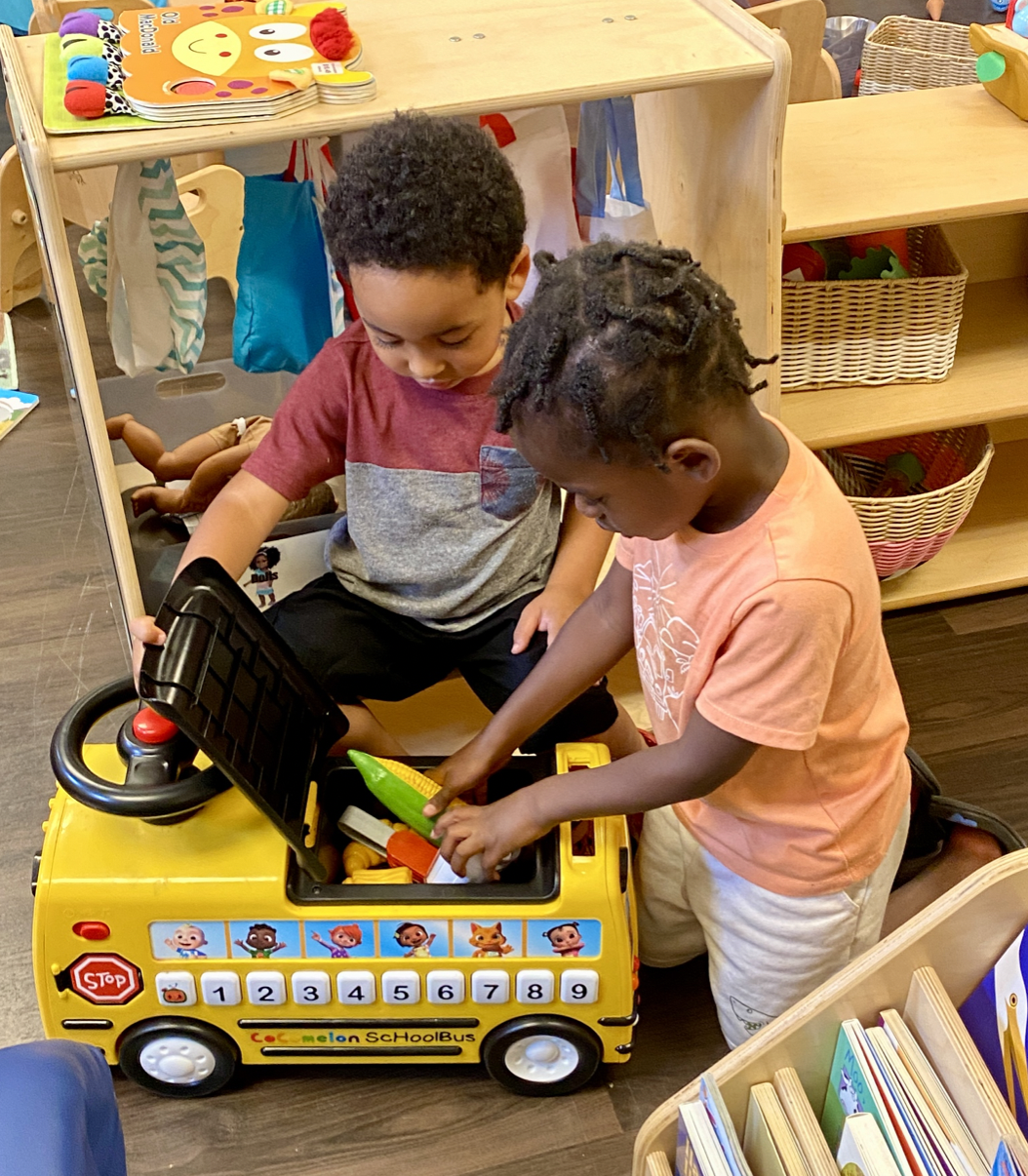
Mary’s Place understands that children need more than just a safe place to sleep. They need stability, nurturing relationships, and opportunities to learn and play. Through our Youth Services programming, we create spaces where children can experience a sense of normalcy during times of crisis. Programs like Tots Club provide developmentally appropriate play and early learning opportunities for infants and toddlers, supporting healthy growth during these critical years.
In partnership with organizations like BrightSpark, Mary’s Place brings early learning directly to spaces where families are already getting support. At the Allen Family Center in South Seattle, families can access housing resources, childcare navigation, and early education in one place, eliminating common barriers like transportation and complicated enrollment processes. This “meet families where they are” model ensures that more children can access the services they need, when they need them most.
Beyond direct services, Mary’s Place is also focused on prevention. With a three-pronged approach—emergency shelter, mobile outreach, and homelessness prevention, not only to respond to crises, but also to stop them before they begin. Prevention efforts, such as rental assistance and stabilization support, are not only more cost-effective than shelter stays but also help protect children from the trauma and long-term impacts of losing their homes.
The need remains urgent. Shelters are full, and far more families are seeking help than there are spaces available. But Mary’s Place continues to innovate—partnering across sectors, expanding access to early learning, and advocating for policies that remove barriers for families experiencing homelessness.
Because ultimately, this work is about more than housing. It’s about ensuring that every child has the chance to grow, learn, and thrive. When we invest in families early and provide the stability children need, we don’t just change individual outcomes; we help break cycles of homelessness and build stronger, more equitable communities for the future.